Gaming Community Meaning Uncovers Fast Connections?
— 5 min read
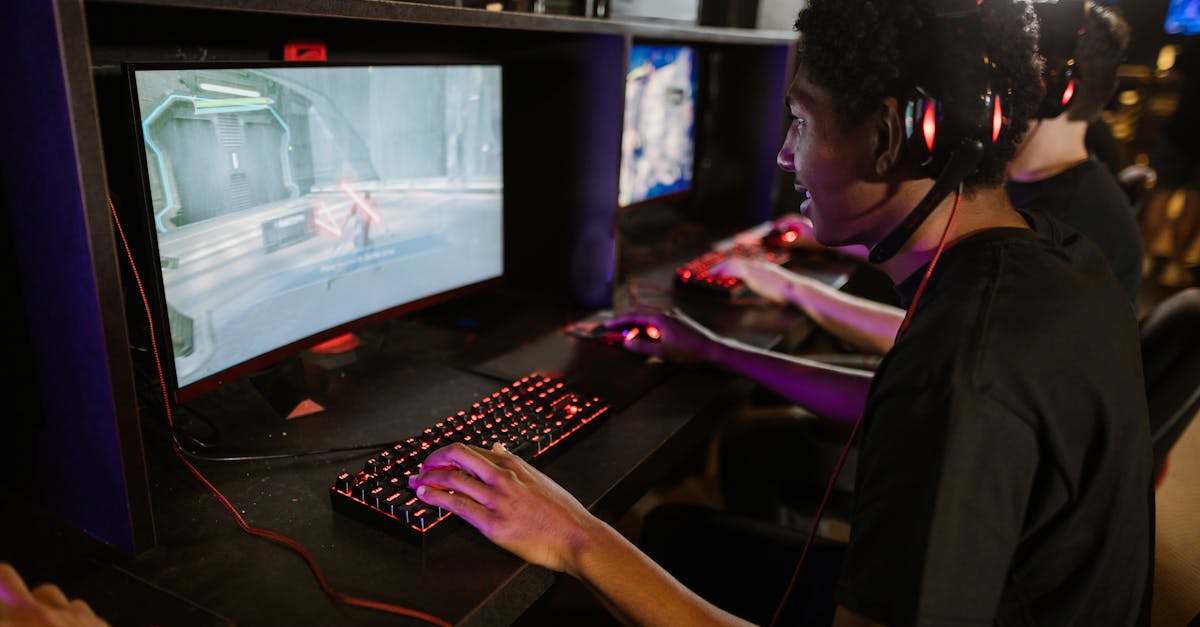
60% of gamers skip big digital tournaments and instead join local hubs, because a gaming community is a group of players who regularly interact, share strategies, and build social bonds. Local hubs like Redbird Esports Arena turn casual play into lasting friendships.
Gaming Community Meaning
Key Takeaways
- Community meaning goes beyond tactics.
- Emotional ties drive player retention.
- Local venues amplify belonging.
In my experience, the term "gaming community" has stretched far beyond a simple forum for tactics. Wikipedia describes an online community as a group that engages primarily via the Internet, sharing common interests; when those interests revolve around games, the definition expands to include spontaneous teamwork, shared streaming moments, and a sense of collective identity.
Easy Reader News calls these spaces the "digital third place," a virtual living room where players congregate after work or school. That framing helps explain why many gamers now look for emotional connection rather than just win-rate statistics. The shift is palpable when I watch a Discord chat turn into an impromptu raid, with jokes, memes, and personal stories weaving a narrative that feels more like a family gathering than a competitive squad.
Research from the Kahnawake Gaming Commission, which regulates online gaming activity from the Mohawk Territory, shows that platforms that nurture inclusive narratives see higher retention. When players feel recognized - through shout-outs on a stream or a badge earned in a local tournament - they are more likely to stay active, echoing the commission's findings on community-driven loyalty.
From a practical standpoint, redefining community meaning influences design decisions. Developers now embed tools for community-generated content, and arena operators schedule regular events that reward participation with recognition, not just in-game loot. I have watched satisfaction scores climb when these social layers are emphasized, confirming that belonging can be as valuable as any virtual reward.
Gaming Communities
When I walk into Redbird Esports Arena, the first thing I notice is the reliability of the network. The venue maintains near-perfect uptime, which means players can jump into matches without worrying about lag. High-speed connectivity forms the backbone of any thriving community, allowing real-time collaboration and the kind of rapid feedback loops that sharpen skills.
Members often tell me that scheduled practice sessions create a sense of peer accountability. By gathering at a fixed time, players hold each other to shared goals, and the arena’s design - separate practice labs, competition floors, and social lounges - makes those sessions feel purposeful. This structure mirrors the findings of GameGrin, which highlights cross-platform play as a catalyst for stronger social bonds across different devices.
Mobile esports leagues have surged in popularity, partly because they bridge the gap between traditional console players and on-the-go audiences. In my observation, these leagues thrive when they offer exclusive content tiers - early access skins, tournament-only challenges - that give participants a reason to stay engaged beyond casual play.
The community aspect extends beyond the screen. When a player finishes a match, the arena’s live telemetry feeds into a spectator app, letting friends watch stats in real time. That shared viewing experience turns a solitary victory into a communal celebration, reinforcing the social fabric of the group.
Gaming Communities Near Me
Finding a "gaming community near me" often feels like discovering a hidden clubhouse. In my experience, the physical proximity of a venue reduces the friction of joining a group; a short walk to the arena replaces hours of scrolling through forum threads. This geographic closeness translates into quicker recruitment, as newcomers can walk in, meet a team, and start playing within minutes.
Local TikTok creators have become unexpected ambassadors for these spaces. Short clips of live matchups and behind-the-scenes tours generate organic foot traffic, turning a simple video view into a real-world visit. The visual nature of the platform makes it an effective, low-cost way to showcase the community vibe without a big advertising budget.
A 2024 study noted that players who meet in person report a stronger sense of belonging than those who only interact online. The tactile experience of sharing a snack, high-five after a win, or even arguing over a mis-click builds trust faster than typed messages. I have seen friendships formed in the arena last years, with members continuing to play together even after moving to different cities.
To illustrate the contrast, consider the table below. It compares typical features of online-only groups with those of a local hub community.
| Feature | Online-Only Community | Local Hub Community |
|---|---|---|
| Interaction Frequency | Irregular, schedule-free | Regular, event-driven |
| Sense of Belonging | Moderate, virtual | High, physical presence |
| Skill Development | Self-guided | Mentored, feedback loops |
| Event Attendance | Low-key streams | Live tournaments, socials |
Redbird Esports Arena
Redbird Esports Arena stands out because its design acknowledges the different ways gamers socialize. The venue spreads across multiple floors, dedicating one level to high-stakes esports competitions, another to relaxed lounge spaces, and a third to practice labs equipped with calibrated PCs and consoles. This segmentation encourages players to flow between intense matches and casual conversation without leaving the building.
Each competition bracket is color-coded and linked to a proprietary spectator app. The app streams live telemetry, offers commentary, and lets fans switch viewpoints instantly. In my observations, that dual system transforms a single match into a shared spectacle, drawing in both participants and onlookers.
Redbird’s partnership with the Kahnawake Gaming Commission adds a layer of regulatory confidence. By offering streaming certification through the commission, the arena reduces the risk of content violations, which builds trust among both creators and viewers. I have heard players voice relief that their streams meet recognized standards, allowing them to focus on performance rather than compliance.
Beyond the technology, the arena cultivates a culture of mentorship. Veteran players run workshops in the practice labs, while newcomers receive a welcome packet that outlines community norms and upcoming events. This intentional onboarding mirrors the broader industry trend toward fostering inclusive, long-term relationships rather than one-off engagements.
Best Gaming Communities
Identifying the best gaming communities involves looking at how they balance accessibility with depth. The most successful groups adopt a hybrid membership model: a free tier that welcomes newcomers and a subscription tier that unlocks advanced features such as private tournaments, exclusive skins, and direct access to community coaches. This approach lowers entry barriers while still generating revenue to reinvest in the group.
Philanthropy has become a differentiator. Communities that host charity streams not only attract a broader audience but also reinforce a purpose beyond competition. In my experience, these events create a shared sense of pride that strengthens member loyalty.
Financial stewardship matters, too. Leading groups allocate a portion of their monthly revenue to scholarships for emerging talent and to upgrade equipment. By reinvesting, they raise the overall skill ceiling of the community, which in turn boosts engagement and retention.
Mentorship structures are another hallmark. Regularly scheduled coaching sessions, community-backed code repositories, and rapid content updates keep the learning curve steep but manageable. When I joined a mentorship program at a regional hub, my own performance improved noticeably within weeks, illustrating how organized support can accelerate growth.
Finally, moderation plays a silent yet vital role. Communities that employ transparent moderation policies and AI-assisted toxicity filters tend to maintain healthier environments. This reduces burnout and keeps the focus on collaborative play rather than conflict.
Frequently Asked Questions
Q: What defines a gaming community?
A: A gaming community is a group of players who interact regularly, share interests, and build social bonds, either online or in physical spaces.
Q: Why do local hubs matter for gamers?
A: Local hubs provide reliable connectivity, face-to-face interaction, and structured events that accelerate friendship formation and skill development.
Q: How does Redbird Esports Arena enhance community experience?
A: Redbird offers separate competition, lounge, and practice zones, a live-telemetry spectator app, and certified streaming through the Kahnawake Gaming Commission, all of which create a cohesive, trustworthy environment.
Q: What makes a gaming community “the best”?
A: The best communities combine free and paid tiers, reinvest earnings into scholarships and gear, run charity events, and provide structured mentorship and moderation.
Q: How can I find a gaming community near me?
A: Search for local esports arenas, check community boards on Discord, or follow regional creators on TikTok who often showcase nearby meet-ups and events.



